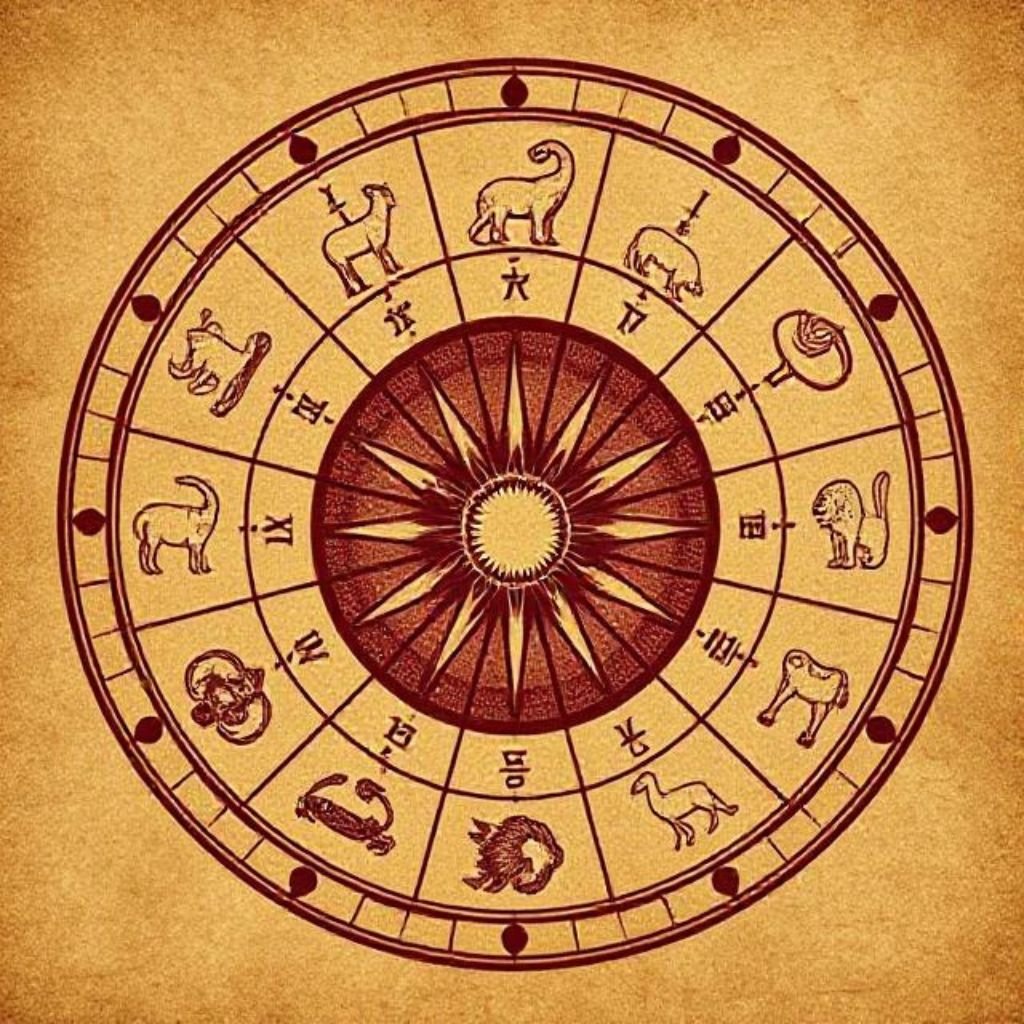
While Western astrology gets all the Instagram buzz, Vedic astrology is the original. It’s deeper and more precise. It draws from ancient Sanskrit texts that predate your favorite myths. Think of it as the difference between a quick horoscope and a full psychological profile. Ready to decode the cosmic blueprint of your life?
What Makes Vedic Astrology Different?
Vedic astrology isn’t your typical “check your sun sign” scenario. This system uses the sidereal zodiac. It considers the real positions of constellations. Western astrology? It uses the tropical zodiac, which is about 24 degrees off due to Earth’s wobble over millennia. You might be a Virgo in Western astrology but a Leo in Vedic astrology. That’s not a mistake—it’s precision. Vedic astrology tracks where planets actually are, not where they were 2,000 years ago.
The Core Elements
ElementDescriptionSignificanceRashi (Signs)12 zodiac signs based on the MoonYour emotional blueprintNakshatras27 lunar mansionsDeeper personality layersDasha SystemPlanetary periodsTimeline of life eventsHouses12 life areasCareer, love, and wealth zonesPlanets (Grahas)9 celestial bodiesForces shaping your destiny
Understanding Your Vedic Astrology Chart
Your Vedic astrology chart—called a Janam Kundali—is like a cosmic fingerprint. No two are identical. It shows where each planet was at your birth. This creates a snapshot of celestial energies. The Moon sign (Rashi) is the main focus here. This is different from Western astrology, which emphasizes the Sun sign. Why? Your Moon sign reveals your mind, emotions, and instinctive reactions. It’s the real you when no one’s watching. Want to create yours? A Vedic astrology calculator needs three things: birth date, exact time, and location. The precision matters—being born even 10 minutes apart can shift your chart.
Vedic Astrology Signs: Beyond the Basics
Vedic astrology signs operate in unexpected ways. They’re called Rashis, and each one governs specific traits, challenges, and life patterns.
Mesh (Aries):
Natural leaders with warrior energy. You charge first, think later.
Vrishabha (Taurus):
Stability seekers who value comfort and loyalty above all.
Mithuna (Gemini):
Quick-witted communicators who manage many interests with ease.
Karka (Cancer):
Emotional depth personified. You feel everything with great intensity.
Simha (Leo):
Born to shine. Your presence commands attention naturally.
Kanya (Virgo):
Detail-obsessed perfectionists with analytical superpowers.
Tula (Libra):
Balance seekers who understand every perspective with clarity.
Vrishchika (Scorpio):
Intense transformers who probe beneath surfaces.
Dhanu (Sagittarius):
Freedom lovers with philosophical minds and restless feet.
Makara (Capricorn):
Ambitious climbers who play the long game brilliantly.
Kumbha (Aquarius):
Revolutionary thinkers who color outside of every line.
Meena (Pisces):
Dreamers and mystics who swim in creative depths.
Each sign interacts with planets differently. This creates unique patterns in your life.
Vedic Astrology Predictions: How They Actually Work
Vedic astrology predictions aren’t fortune-telling parlor tricks. They’re mathematical calculations based on planetary movements through your chart’s houses. The Dasha system is the secret sauce. It divides your life into planetary periods—some lasting months, others spanning decades. During a Venus Dasha, relationships bloom. A Saturn period? Expect hard lessons and delayed gratification. Transits add another layer. When Jupiter crosses your 7th house, marriage prospects increase. Saturn in your 10th house might bring career challenges that ultimately strengthen you. The goal isn’t predicting doom. It’s preparation. You can’t change the weather, but you can carry an umbrella.
Getting Started: Vedic Astrology Free Resources
Breaking into Vedic astrology doesn’t require emptying your wallet. Plenty of Vedic astrology free tools exist online. Start with basic chart generation websites. They’ll create your Janam Kundali within seconds. Look for platforms offering detailed interpretations of planetary positions, not just raw data. YouTube channels run by credentialed Indian astrologers offer solid foundational knowledge. Search for content on Nakshatras, house meanings, and planetary aspects. Books remain invaluable. For deeper dives, explore B.V. Raman’s classic texts.
Leveling Up: Vedic Astrology Course Options
Once the basics click, a structured Vedic astrology course significantly speeds up learning. Quality courses cover chart interpretation, predictive techniques, and remedial measures. Look for programs teaching both theory and practical application through case studies. Online options include self-paced video modules and live interactive sessions with practicing astrologers. Duration varies from weekend intensives to year-long certifications. The Indian Council of Astrological Sciences (ICAS) offers recognized certification programs. Many regional institutes offer online and in-person training. They cater to various skill levels. Expect to invest 6-12 months for intermediate competency. Mastery? That’s a lifetime journey.
Remedial Measures: When Planets Misbehave
Vedic astrology doesn’t leave you helpless against challenging planetary influences. Remedies exist—practical actions to balance negative energies. Gemstones top the list. Each planet governs specific stones that amplify beneficial energies or pacify malefic ones. Blue sapphire for Saturn, emerald for Mercury, ruby for the Sun. Enter Sonartori Gems & Gold—specialists in authentic Jyotish gemstones. Not all gems work; quality and proper energization are of great importance. Reputable vendors ensure stones meet specific astrological standards for weight, clarity, and origin.
Other remedies are:
Mantras (specific chants)
Pujas (rituals)
Fasting on planetary days
Charity linked to troubled planets
A weak Jupiter? Donate to educational causes or feed scholars. These aren’t superstitions. They’re energy management techniques refined over millennia.
Vedic Astrology in Daily Life
Integration beats occasional consultation. Check your Panchang (daily almanac) for auspicious timings. Starting projects during favorable Muhurtas increases the probability of success. Understand your current Dasha period. Are you in a learning phase (Mercury) or a relationship-focused time (Venus)? Align your efforts to match the situation. Watch transits of slow-moving planets like Saturn and Jupiter. They create 2-3 year windows for specific life areas. Use them wisely. Your Nakshatra reveals compatible partners, ideal careers, and hidden talents. Mine this information for self-awareness, not rigid limitations.
Common Misconceptions Debunked
“Astrology is fatalistic.”
Wrong. It shows tendencies, not certainties. Free will always plays a role.
“Bad charts mean bad lives.”
Nope. Challenging charts often belong to remarkable people who creatively overcome obstacles.
“You need to believe for it to work.”
Planetary movements don’t care about your beliefs. They operate regardless.
“All astrologers are scammers.”
Like any field, quality varies. Credentialed practitioners with years of study offer genuine insight.
Finding Your Cosmic Rhythm
Vedic astrology isn’t about surrendering control to fate. It’s gaining clarity on your unique design, timing, and potential. Your chart reveals strengths to maximize and challenges to navigate. It shows when to push forward and when to consolidate. It fosters self-acceptance by showing you this: you are not broken; you are wonderfully complex. Start simple. Generate your chart. Identify your Moon sign and ruling planet. Notice current transits. Pay attention to patterns between planetary movements and life events. Over time, you’ll develop an intuitive feel for cosmic rhythms. You’ll schedule important meetings during favorable periods. You’ll understand why certain years felt impossible while others flowed effortlessly. The stars don’t control you. They illuminate you.
Take Your Next Step
Ready to explore your cosmic blueprint? Begin with a Vedic astrology calculator to generate your chart. Study your Moon sign and Nakshatra first—they’re your foundation. Consider booking a reading with an experienced Vedic astrologer for personalized insights. Look for practitioners trained in traditional Indian systems with strong client testimonials. If you want to dive deeper, look into Vedic astrology courses. Find options that fit your learning style and schedule. Remember: Vedic astrology is a tool, not a crutch. Use it for insight, not excuses. Let it guide, not dictate. Your life remains yours to create—just with better cosmic navigation. The universe has been writing your story in starlight. Isn’t it time you learned to read it?